Future Tech: Igniting confidence and connection at your first IBC
Alexandra Hill
If you’re starting out in media and technology, the labyrinth of halls, stalls, and conference rooms at IBC can be daunting. It’s hard to cherry pick what to attend and who to talk to, which is why IBC Future Tech is an absolute must for getting a foot in the door through networking with global media organisations and industry leaders.
“Future Tech creates a dedicated space where students and early-career professionals can meet broadcasters, technology companies, start-ups, creators and educators,” says IBC Head of Marketing Jo Mayer. Located this year in Hall 14, Future Tech is the place at IBC to connect with others, gain vital insight into a complex industry, and crucially get your voice heard where it matters.
At the front of the initiative is Future Tech Ignite delivered in partnership with EIT Culture and Creativity.
“The Future Tech Ignite Stage will cover artificial intelligence, the creator economy, sustainability, cybersecurity, entrepreneurship, education, mentorship and investment”, says Mayer, also highlighting a speaker line-up focused on how the industry is changing and recruitment skills. Don’t forget your notepad.

Networking lounges at IBC – photo courtesy: IBC
However, getting your ideas heard at IBC, especially when it is easy to compare yourself to those you think are ahead on the career ladder, is another story. And if you’re a woman in media tech, which continues to have higher male representation in leadership roles, then finding the confidence to communicate effectively can often be all the more tricky.
Enter Rise Women in Broadcast, a not-for-profit organisation founded in 2017 by Sadie Groom to promote gender diversity in broadcast, media tech, and the audiovisual (AV) sector. Its aim is simple: empower young women to speak and act confidently in operations, engineering, sales, marketing, and business roles.
“Rise will run networking events across IBC,” confirms Mayer, adding that these “provide useful, informal opportunities to meet peers, mentors and experience professionals, learn more about initiatives such as the Rise Mentoring Programme and Rise Academy, and begin building relationships that can continue well beyond the four days in Amsterdam”.
If you’re a woman in M&E, the Rise Mentoring Programme is a real standout. The 6-month global initiative matches mentors to women of any age seeking to deepen their expertise in anything from technical or engineering roles to marketing and PR, and since its launch, nearly 1,000 women have kickstarted their careers through the scheme. Of course, it’s a competitive programme, but a passion for media tech goes well beyond already having a jam-packed CV.
Another way Rise supports emerging talent is through Rise Academy, which provides hands-on experience for school-age students on how to break into the sector, while connecting them to industry professionals and to major companies like Warner Bros Discovery, Sky, and the BBC.
At IBC 2026, Rise is hosting a series of events, talks, and workshops to ignite your communication skills. The organisation is heralding its “Rise Upskill: Speak with Confidence” workshop, led by Sylvia Cohen and delivered in partnership with Sony Europe. The interactive two-hour session is built around a five-step framework covering body, breath, voice, mindset, and message, helping women to manage their nerves and build stage presence in public speaking scenarios.
On the Ignite Stage, Cohen will also host a 30-minute “Connect with Confidence” panel alongside Rise, focusing on building genuine human connections while networking through confident communication, particularly in scenarios where women find themselves as the only woman in the room.
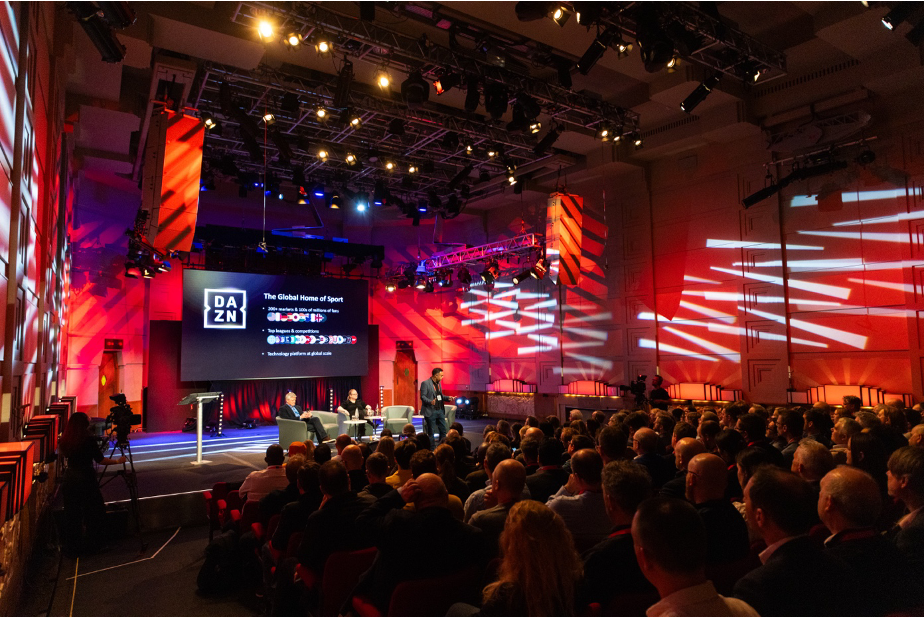
IBC Accelerator Kickstart Day – photo courtesy: IBC
Aside from Rise, the IBC Talent Programme will run sessions focused on education, skills, and career development from organisations including Women in Streaming Media, International Association of MediaTech (IAMT), Society of Motion Picture and Television Engineers (SMPTE), and the Global Media & Entertainment Talent Manifesto.
Plus, if you’re big on technology, Mayer highlights the IBC Accelerator Media Innovation Programme as a must-go to see “how different skills connect within a real project”, as different companies come together to develop practical proof-of-concepts around shared industry challenges.
For aspiring journalists, the Accelerator Incubator event dubbed Smart Stories: The Agentic Production Ecosystem will, says Mayer, “appeal to anyone interested in how AI could change newsrooms by helping teams move more easily from information to a finished story”. The event is essentially about enabling AI-powered production tools to share structured and contextual knowledge in newsrooms, all while preserving human editorial control.
Working with AI, not against it.
While there is a lot to take in at this year’s IBC, instead think about what you can bring to the show floor: fresh ideas, a future-focused mindset, and a sprinkling of confidence.
“You don’t need to arrive as an expert,” Mayer concludes, “curiosity and a genuine interest are more than enough.”


Comments